
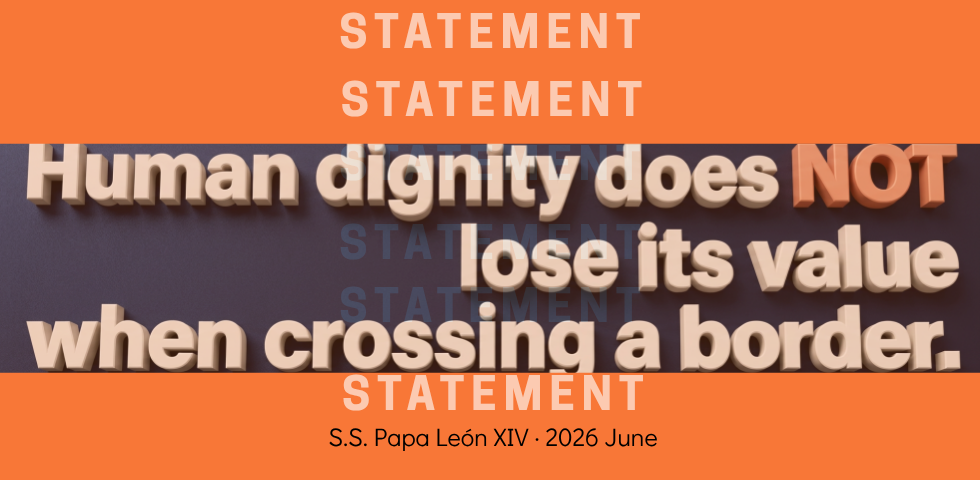
The Franciscan Network for Migrants in the Americas, on the occasion of World Refugee Day, expresses its concern over the alarming situation faced by asylum seekers and refugees around the world, particularly in Latin America.
According to data from the United Nations High Commissioner for Refugees (UNHCR), by the end of 2025 there were approximately 45 million refugees worldwide—people who, faced with the need to protect their own lives and those of their families, have been forced to flee their countries. In light of this increasingly dire reality, Pope Leo XIV recently reminded us in his message to migrants in Tenerife during his visit to Spain: “You are not numbers or case files; you are people with families and homes left behind.”
The teams, shelters, and soup kitchens that make up the RFM in Latin America experience on a daily basis the impacts of mass deportations and forced returns—the result of immigration policies aimed at control, containment, and externalization implemented by transit and destination countries. These policies leave migrants and those in need of international protection stranded in border areas, or are transferred to “third countries” that lack the structural capacity or minimum conditions to receive them or provide them with dignified alternatives for integration or safe return. Faced with these bureaucratic processes and uncertain futures, we cannot remain indifferent to the uprooting, violence, and dehumanization suffered by our brothers and sisters on the move, and we echo the Church’s call to welcome, protect, support, and integrate those who have lost everything.
As the Franciscan Network for Migrants, we issue an urgent call for shared responsibility from the following sectors:
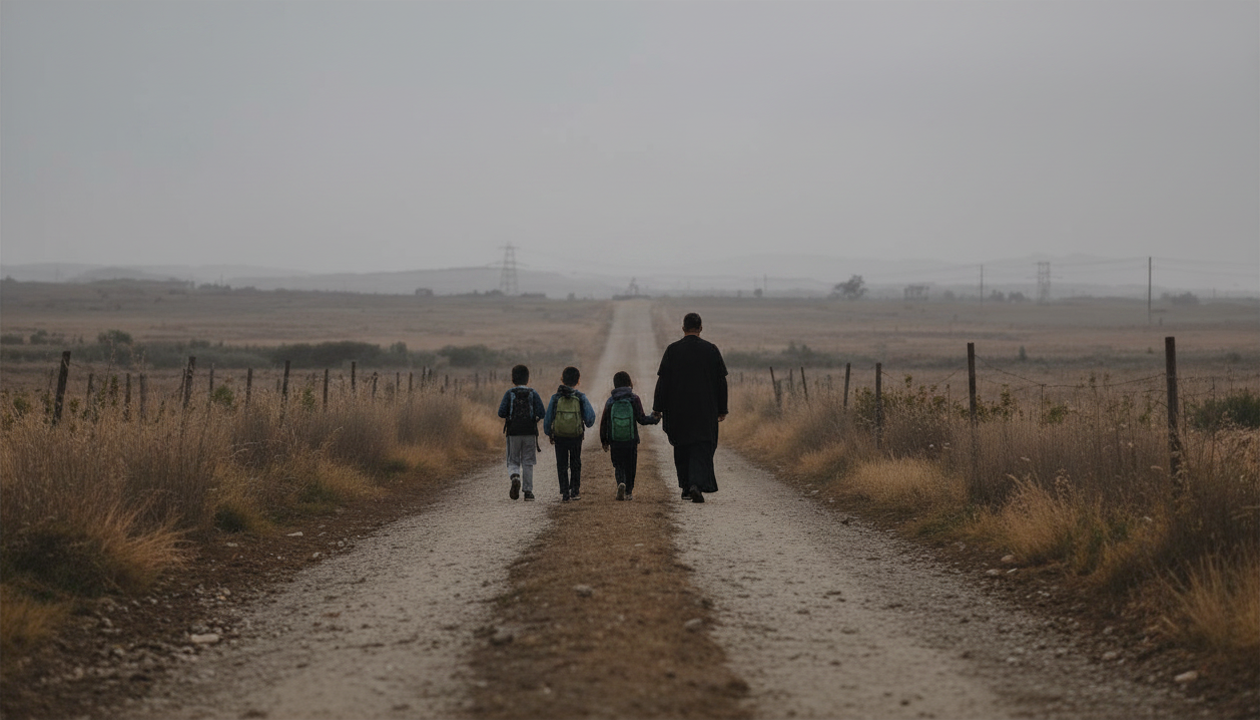
- Governments and public officials: to humanize the processes of receiving, managing, and resolving applications for refugee status. Refugee status is a human right, not a privilege to be granted.
- To international organizations and civil society: to establish effective partnerships that go beyond emergency humanitarian assistance, committing to the sustainable and dignified integration of refugees into host communities
- To the academic community: We urge you to continue generating scientific evidence and analyses that serve as advocacy tools to influence governments in the design of public policies grounded in a human rights approach.
- To faith communities and people of good will: We invite you to actively participate in providing homes, shelters, and soup kitchens, in order to live out an active faith.
In the face of a world that seeks to normalize indifference and dehumanize asylum seekers and refugees, we embrace St. Francis’s fundamental conviction, which must guide our actions as we continue to build bridges of solidarity: “The Lord has given me brothers.”
FRANCISCAN NETWORK FOR MIGRANTS IN THE AMERICAS.
June 20, 2026.