
The U.S. government said that ICE mistakenly deported a man from Chicago to Venezuela and allowed him to return to his family
St. Francis is attributed to having said, “Start by doing what’s necessary; then do what’s possible; and suddenly you are doing the impossible.” While he never probably said this, I think it’s a good approach to taking action in a situation that feels overwhelming. I would also add: WORK WITH OTHERS.
The seemingly impossible recently came to light in a story about Jose Enrique Ojeda Duarte who was apprehended by ICE in Chicago, Illinois, transferred to various detention facilities in the United States over the course of several months, deported to Venezuela, then returned to his family in Chicago after the U.S. government admitted he was deported “in error.”
There exists power and hope in Jose’s story, grounded in a web of relationships. Many people were involved in his unjust apprehension during Operation Midway Blitz, as were in his release; one person at a time, connecting with another, facilitated by grace, perseverance and a passion for justice, brought José home. I know Ceci Herrera, a member of the Franciscan Network for Migrants, and Steve Raseman, the coordinator of St. Anne Migrant and Refugee Ministry in Barrington, Illinois, both of whom dedicated countless hours accompanying and advocating for José and his family. As I speak with Steve and Ceci and reread Jose’s story in the Chicago Tribune, my reflection turns toward the power of networks and how God works through our relationships.
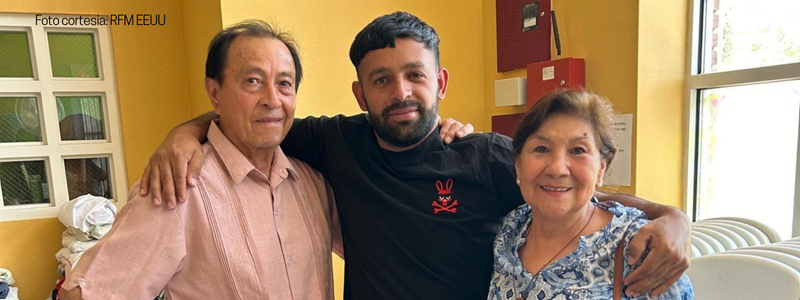
My part in this story is minimal, tangential and simple. I met Steve about a year ago at a workshop on immigration advocacy in Chicago where we shared some commonalities and exchanged contact information. I have yet to meet Ceci in person, but know her through our membership in the Franciscan Network for Migrants (Red Franciscana para Migrantes). I have never met José. Around Christmas time last year Steve emailed me, explained that he was accompanying Jose’s family and was concerned that José was in a detention facility in Texas. Steve asked, “Do you have any contacts in El Paso who would be willing to visit him?” I had none that I knew of, but I had the FNM WhatsApp chat, where I simply posted the need and waited for a response. Within the hour Ceci responded, and I connected them via email. That’s where my part ends.
What’s not mentioned in the newspaper article is the way Steve and the migrant ministry accompanied José’s family during this nightmare. It doesn’t share how Ceci visited José regularly in El Paso, called his wife, or contacted lawyers. It simply can’t mention all that was done through the network of relationships that both Steve and Ceci have who offered legal expertise, visited the family, made grocery runs, contacted people in other states as José was transferred to different detention facilities or any of the other innumerable outreaches that a caring community performs when someone needs help. Of course, mentioning all of these details would make the story in the newspaper unwieldy. At the same time, the story would not have happened without all the small acts of kindness, informational meetings, messages of moral support, phone calls advocating for José and countless other activities that over time wove a web of support that brought José home from Venezuela.
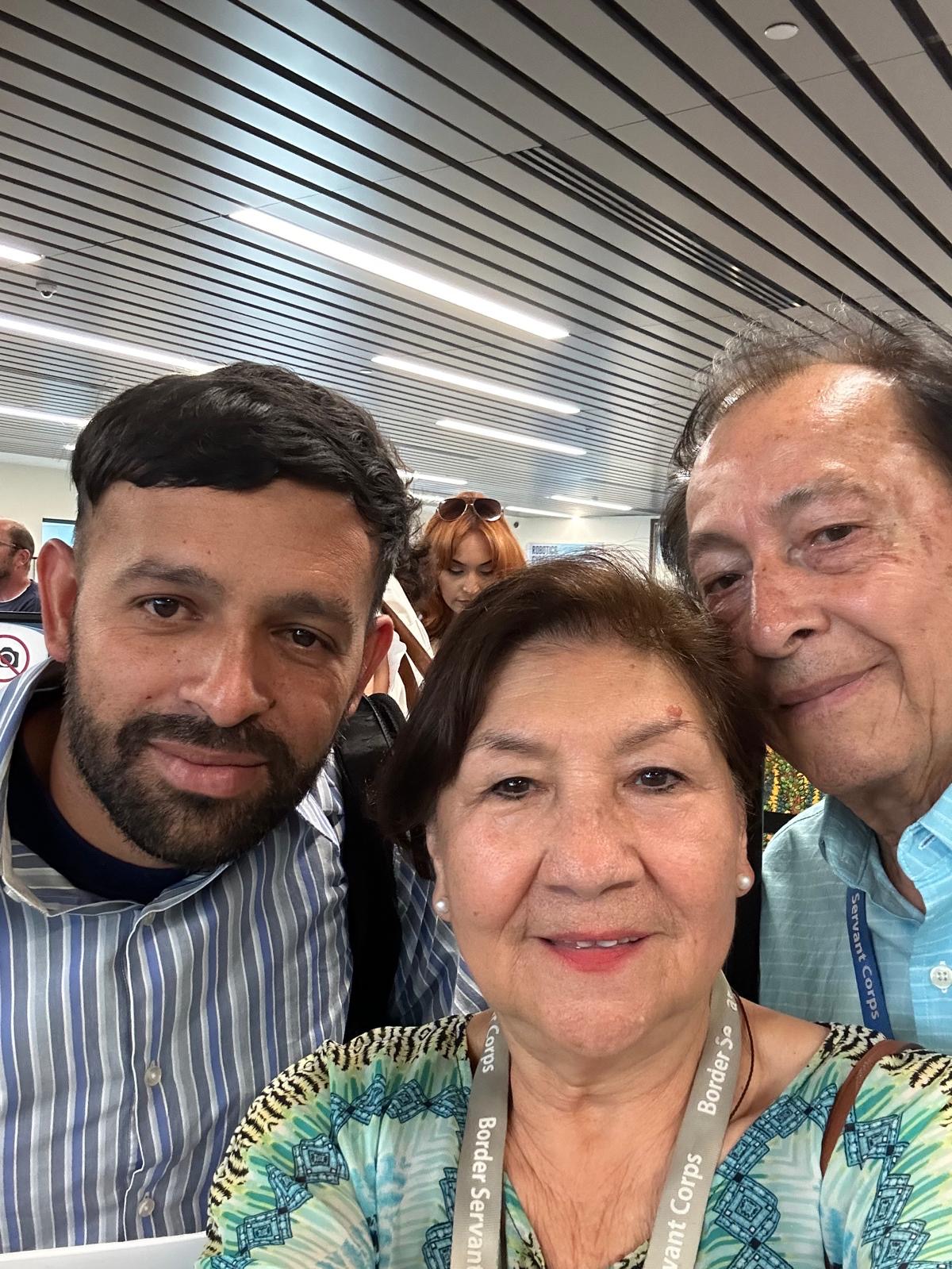
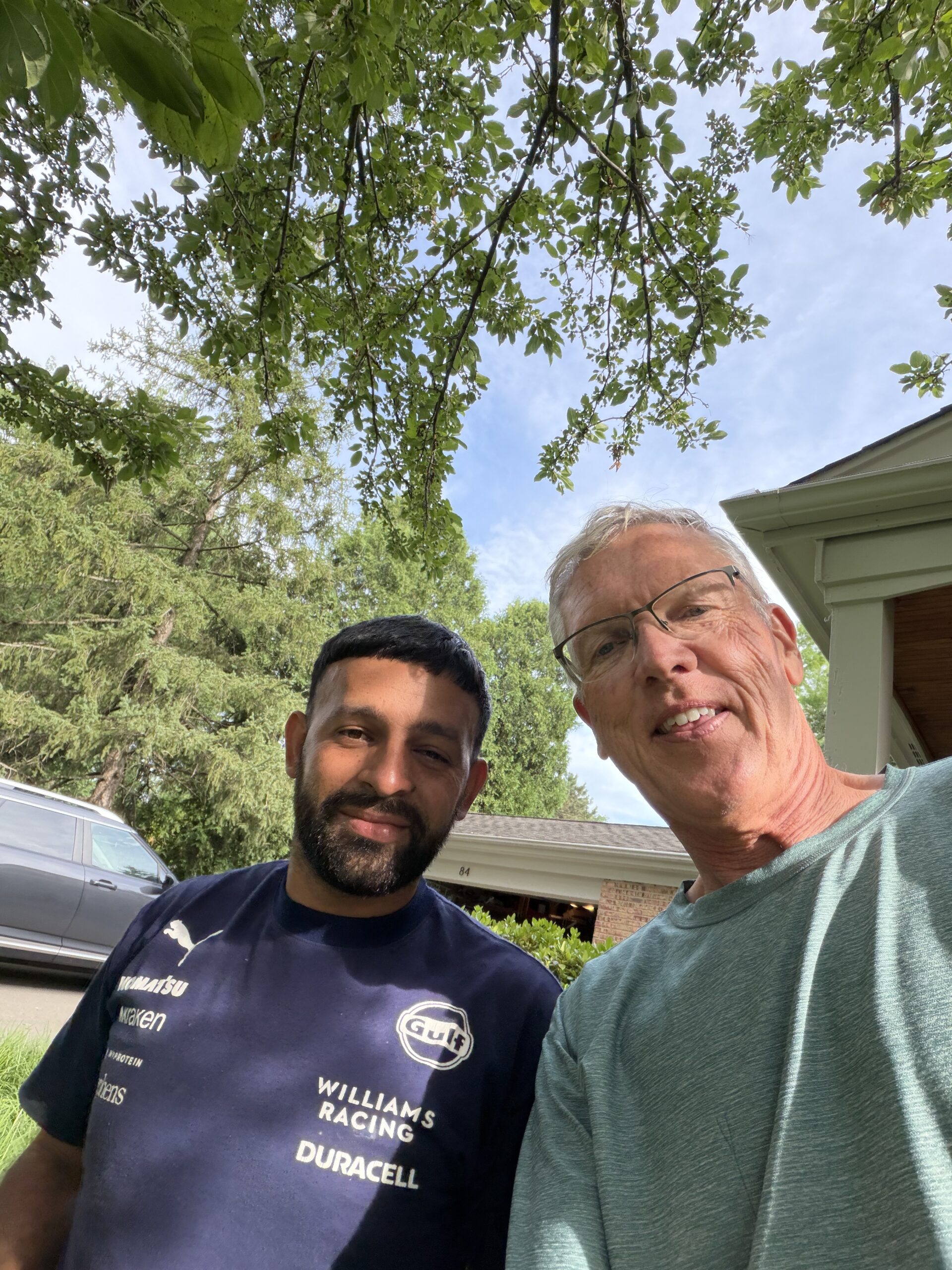
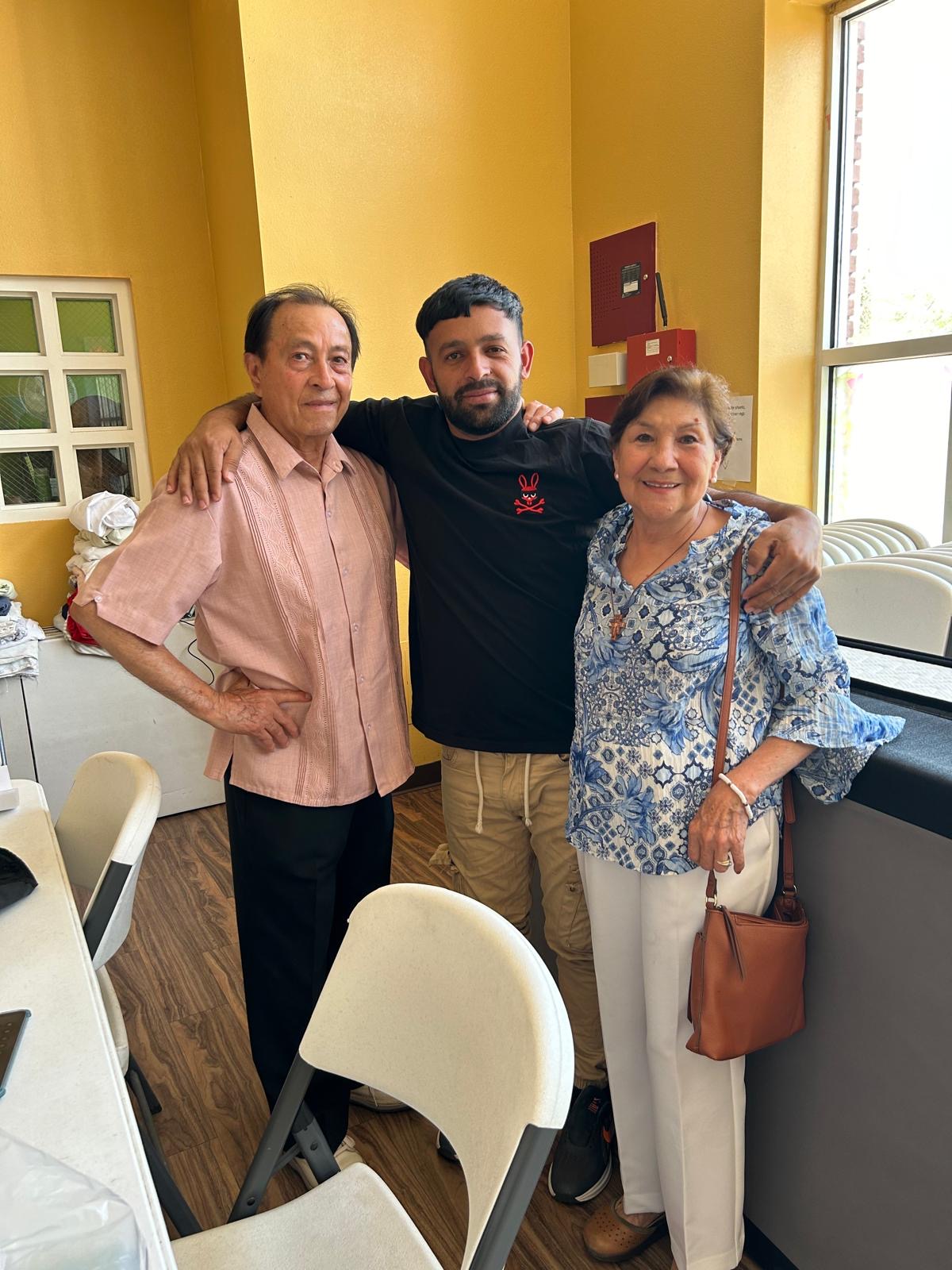
As I reflect on this story, and all the stories that aren’t contained in it, two things come to mind. One is the marvel of God and the mysterious ways that God works in and through us without us knowing. I have no doubt that God was accompanying José closely through this ordeal and continues to accompany him in the many people that surround him and support him as he recovers from this trauma. I doubt most of them are aware of the way that Divine Presence is working through them. I certainly wasn’t.
The other thing that comes to mind is the power of networks.“Networks are powerful because of the belonging and trust they foster. They are so influential that marketing expert Seth Godin calls connection the “asset of the future.”[1] Not only that, as a Franciscan, I understand networks through the lens of fraternitas,that we are inherently related to each other by virtue of being part of the body of Christ; we are all sister and brother in God’s one family of Creation.[2]
“Start by doing what’s necessary; then do what’s possible; and suddenly you are doing the impossible.” What necessary action are you taking to help your sister and brother in migration who needs you?
And who else is working with you?